
Marketers play the role of educators who aid in educating, building attention, and winning over prospective customers. Storytelling is the best way to develop a deeper connection with customers. In diverse media, brands use storytelling as a tactical weapon to drive engagement.
Inbound marketing helps draw in and keep customers by providing them with relevant content and a customized experience. This approach to organizational growth involves creating everlasting relationships with people and enabling them to achieve their objectives. It transforms strangers into promoters for your business.
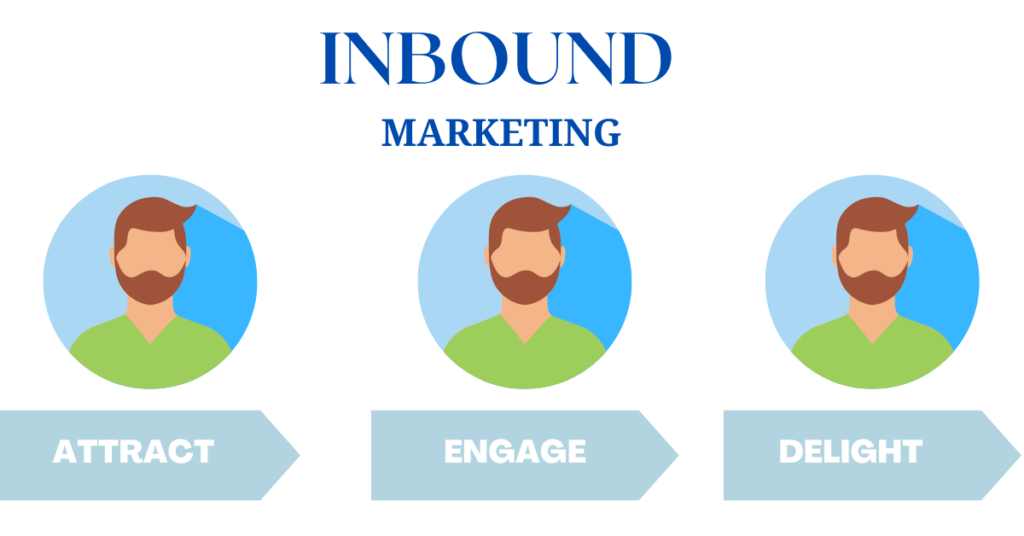
The inbound marketing methodology is carried out in three stages: Attract, Engage and Delight stage.
The Attract stage is to gain people’s attention and that is not forced. The Engage stage focus on opening relationships with potential rather than just closing the deals. The delight stage focuses on retaining customers, improving lifetime value and increasing referrals.
Let’s look at how some brands implemented the inbound marketing strategy at various times.
Nestle is a well-known brand; everyone has experienced its deliciousness, from hot coffee to bowls of delicious noodles. Today, Nestle India is a major player in the FMCG sector and holds a sizable portion of the food and beverage market.
Nestlé is active on all social media platforms, particularly Facebook, Instagram, and Twitter. They use social media to improve their brand’s reputation. There are 95 social media profiles for Nestlé, including 21 on Twitter, 36 on Facebook, and six on Instagram.
Nestle India has created Facebook and Instagram profiles and gives updates about its current projects on both platforms. Nestle publishes updates about CSR, new products, engagement-related topics, and internship possibilities. The average number of likes and comments per post for Nestle is 409, with an engagement rating of 1.02%.
Philips Hue is a leading provider of smart lighting systems. The website focused on delivering relevant content about the brand and product experience. The business started a new blog and enhanced its SEO performance.
With a data-driven, SEO-focused, relevant content approach, the team concentrated on core brand content keywords to attract new traffic. The organic impressions were boosted by 400k, and the click-through rate increased significantly.
Dell used email marketing effectively. They launched a GIF-based email marketing campaign. GIF enhanced the viewers’ experience.
It was trending among the emails as well as the landing pages.
The results were surprising compared to the quarterly benchmark set. There was a 6% increase in the open rate, and the click rate increased by 42%. The conversion rate and revenue increased by 103% and 109%, respectively.